


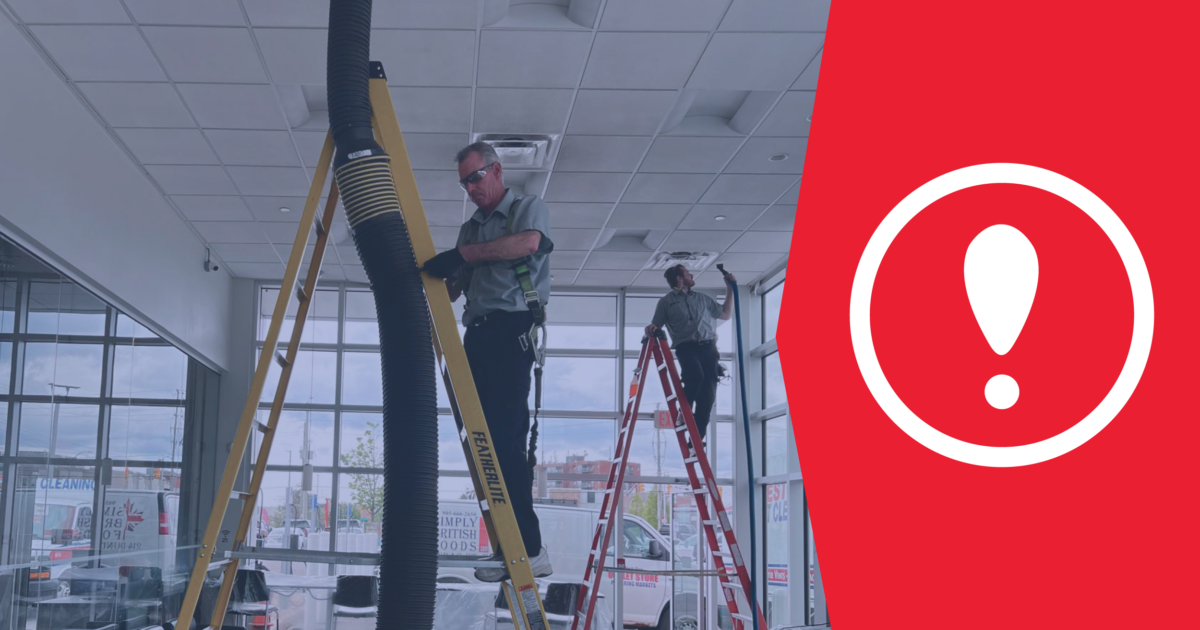
SUMMARY: The benefits of duct cleaning for Durham businesses go beyond cleaner air. Regular commercial duct cleaning helps reduce HVAC maintenance and energy costs, improve indoor air quality, extend equipment lifespan, support employee comfort and productivity, and create healthier, more efficient commercial spaces. Depending on how a building is used, businesses should schedule professional duct cleaning every one to five years.
Commercial ductwork is often out of sight and out of mind, yet it plays a significant role in how a building functions day-to-day. As air circulates through a commercial HVAC system, ductwork gradually collects dust, debris, and airborne contaminants. Over time, these allergens and particles can affect airflow, system performance, and indoor conditions, making professional commercial duct cleaning an important part of maintaining healthy indoor air and efficient HVAC operation.
For Durham businesses, understanding the benefits of duct cleaning and recognizing when cleaning is necessary can help support better building performance, more comfortable indoor spaces, and a healthier environment for employees, tenants, and visitors.

What Are the Benefits of Duct Cleaning for Durham Businesses?
Quick Answer: Regular commercial duct cleaning helps Durham businesses lower HVAC maintenance and energy costs, improve indoor air quality, extend the lifespan of HVAC equipment, create a healthier, more comfortable and productive work environment, and reduce their environmental footprint.
Commercial air ducts play a much bigger role in day-to-day business operations than many companies realize. Over time, dust, debris, allergens, and contaminants accumulate inside ductwork, affecting indoor air quality, HVAC performance, and operating costs.
Below are the key, tangible benefits of duct cleaning for Durham businesses:
- Lower HVAC maintenance and repair costs. Clean air ducts reduce strain on HVAC components, lowering the risk of breakdowns, minimizing unexpected repair costs, and helping prevent premature equipment failure.
- Improved energy efficiency and reduced utility bills. When ductwork is free of buildup, air flows more easily through the system. This allows HVAC equipment to operate more efficiently, resulting in lower energy use, reduced heating and cooling costs, and a positive impact on your bottom line.
- Extended HVAC system lifespan. Built-up dirt and debris can cause your HVAC system to work harder than necessary. Regular duct cleaning helps prevent this buildup, protecting expensive equipment and extending its lifespan.
- Healthier indoor air quality and reduced odours. Professional commercial HVAC cleaning removes dust, pollen, mould, mildew, and other airborne contaminants from your HVAC system. This helps reduce allergens, irritants, and lingering odours that can affect comfort and health in commercial spaces.
- Improved workplace productivity. Clean ducts improve both air quality and airflow. The result is a healthier, more comfortable workplace where employees experience fewer health and comfort concerns, leading to better focus, higher productivity, better employee retention, and fewer sick days over time.
- Improved environmental sustainability. Cleaner HVAC systems use less energy, helping Durham businesses reduce their environmental footprint and achieve long-term sustainability goals.
Often Overlooked Commercial HVAC Cleaning Benefits
While most businesses focus on air quality and energy savings, there are also several less obvious (but highly practical) benefits of duct cleaning:
- Cleaner workspaces and reduced cleaning time. With less dust circulating through the HVAC system, businesses often notice significantly less dust settling on desks, equipment, shelving, and products, resulting in a cleaner space that requires less day-to-day cleaning.
- Improved safety and compliance. Removing debris from ductwork helps reduce fire risk associated with clogged systems and supports compliance with health, safety, and indoor air quality standards.
- Reduced HVAC strain during extreme weather. Clean ductwork ensures proper airflow during hot summers and cold winters in Durham. This helps the HVAC system handle peak demand more effectively and reduces stress on the equipment.
- Smoother inspections and building evaluations. Cleaner duct systems can support smoother building inspections, audits, and evaluations by demonstrating proper HVAC maintenance and overall building care.
Signs Your Business Could Benefit from Duct Cleaning
If your commercial space is experiencing any of the following, duct cleaning may be overdue:
- Persistent odours (e.g., musty or stale smells)
- Excessive dust settling on desks, electronics, or furniture
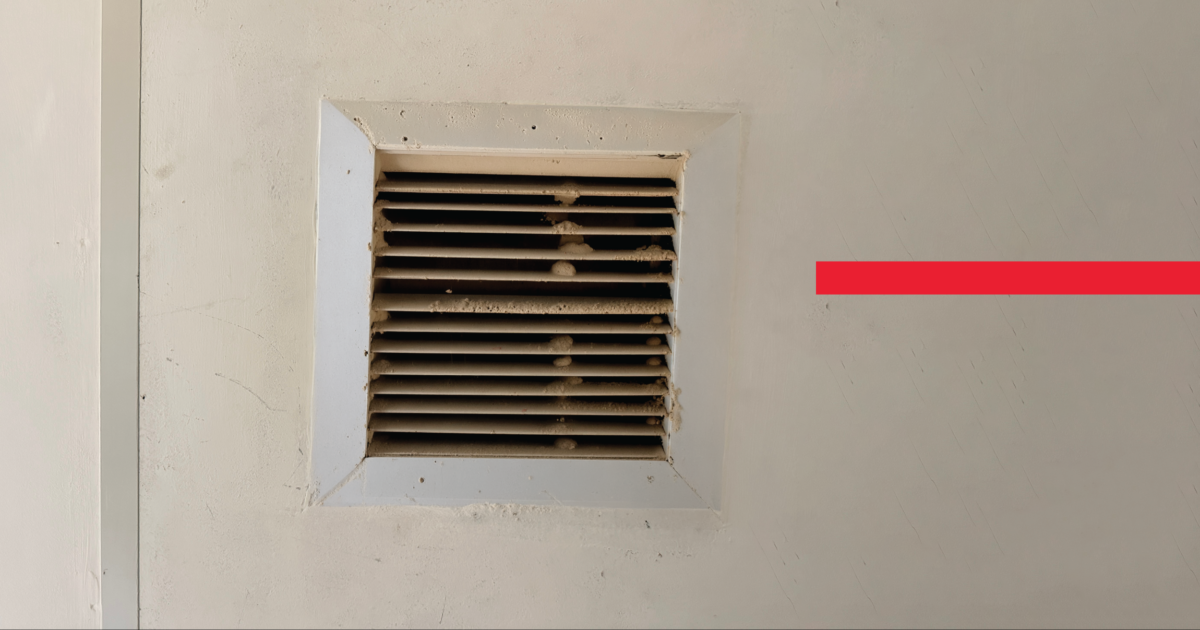
- Visible dust or dirt around registers/vents
- Uneven airflow, hot or cold spots, or inconsistent temperatures
- Increased employee allergy symptoms, headaches, or fatigue
- Rising energy bills without a clear cause
- More frequent HVAC service calls
- HVAC system working harder during peak summer or winter conditions
- It’s been several years since the last professional duct cleaning (or you’re unsure when it was last done)
Which Durham Businesses Can Benefit Most from HVAC Cleaning?
Quick Answer: Commercial duct cleaning benefits a wide range of Durham businesses, including office buildings, healthcare facilities, schools, religious spaces, industrial buildings, car dealerships, retail environments, and multi-tenant buildings, by improving air quality, supporting HVAC efficiency, and creating healthier, more comfortable indoor spaces for employees and visitors.
While the core benefits of duct cleaning are consistent across industries, how those benefits show up day to day depends on how a building is used and occupied.
The table below outlines the types of Durham businesses that benefit most from commercial duct cleaning and how professional HVAC cleaning supports healthier, more efficient daily operations.
Types of Businesses That Benefit from Commercial Duct Cleaning
| Business Type | Ideal For | Common Air Quality & HVAC Concerns | Duct Cleaning Benefits |
| Office Buildings & Professional Spaces | Private offices, local government and municipal buildings | High occupancy, long operating hours, health and comfort complaints | Improves air quality and airflow, enhances comfort, supports productivity, reduces sick days, improves HVAC efficiency to help lower operating costs |
| Property Management & Multi-Tenant Buildings | Landlords, real estate agents, property managers | Shared HVAC systems, odour transfer, uneven airflow between spaces | Balances airflow, reduces cross-unit odours and allergens, improves energy efficiency, supports smoother inspections, enhances tenant satisfaction and property appeal |
| Healthcare Facilities | Medical clinics, dental offices, other healthcare facilities | Sensitive occupants, strict cleanliness and air quality standards | Reduces airborne contaminants, supports healthier indoor environments, improves comfort for patients and staff |
| Academic & Religious Spaces | Universities, schools, daycares, learning centres, churches, mosques, temples | High occupancy, constant air circulation, allergens | Helps reduce allergens, improves air quality, creates a healthier, more comfortable environment for learning and worship |
| Industrial Facilities & Warehouses | Factories, warehouses, manufacturing and distribution centres | Heavy dust and debris, health and safety concerns, large HVAC systems | Improves airflow, reduces strain on HVAC equipment, supports safer, more efficient working conditions |
| Retail Spaces | Retail stores, shopping centres, customer-facing spaces | Dust on products, customer and employee comfort | Creates fresher indoor air, reduces visible dust on products and surfaces, supports a more welcoming customer experience |
| Automotive Dealerships & Showrooms | Car dealerships, automotive showrooms, service centres | Open bays, vehicle movement, airborne debris | Improves air quality for employees and visitors, reduces dust on vehicles and surfaces, enhances showroom presentation and customer experience |
How Often Should Commercial Air Ducts Be Cleaned?
Quick Answer: For most businesses, professional commercial duct cleaning should be completed every 3 to 5 years. High-traffic or high-contaminant environments may require more frequent cleaning, typically every 1 to 2 years.
There is no single cleaning schedule that fits every commercial building. The appropriate frequency (for optimal benefits of duct cleaning) depends on how the space is used, occupancy levels, and the amount of dust or airborne contaminants present.
NADCA (the National Air Duct Cleaners Association) suggests that commercial, industrial and healthcare HVAC systems be professionally inspected annually and cleaned as needed, based on system condition. In practice, this typically results in:
- Every 3 to 5 years for standard office buildings and professional spaces
- Every 1 to 2 years for higher-traffic or higher-contaminant environments such as medical clinics, restaurants, gyms, workshops, and industrial facilities
A professional assessment helps determine the most appropriate schedule for your specific building and HVAC system, ensuring ducts are cleaned when needed rather than too early or too late.
Example HVAC Inspection & Cleaning Schedules by Business
| Business | Inspection Frequency | Typical Cleaning Frequency |
| Office Buildings | Annually | Every 3 to 5 years |
| Hospitals & Medical Clinics | Annually | 1 to 2 years |
| Industrial Facilities | Annually | 1 to 2 years |
| Retail Spaces | Annually | Every 3 to 5 years |
| Gyms & Fitness Centres | Annually | 1 to 2 years |
| Workshops | Annually | 1 to 2 years |
| Restaurants | Annually | 1 to 2 years |
Experience the Benefits of Duct Cleaning with Prestige
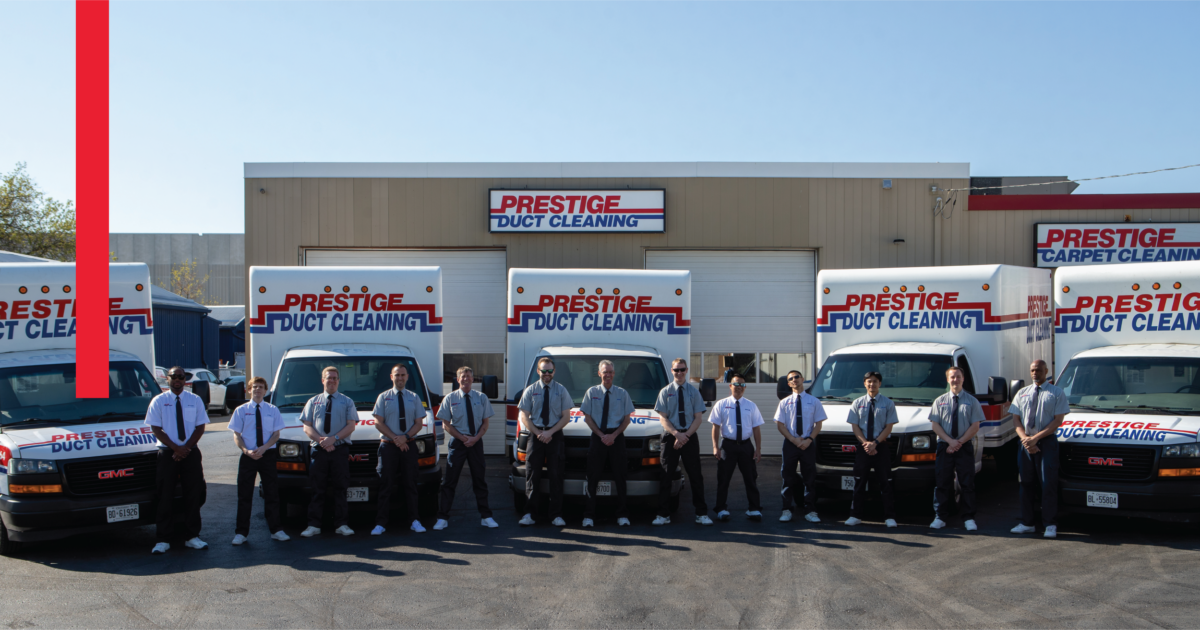
Join the thousands of businesses across Durham that trust Prestige.
For over 35 years, our team has been the go-to choice for commercial HVAC and duct cleaning in Durham, delivering customized solutions tailored to your building’s size, layout, and operational needs, with minimal disruption to your business.
FAQs About Duct Cleaning for Businesses
Below are answers to some of the most common questions businesses have about commercial duct cleaning.
What happens if you never clean your air ducts?
If air ducts are never cleaned, dust, debris, and contaminants can continue to accumulate inside the HVAC system. Over time, this can restrict airflow, reduce HVAC efficiency, increase energy costs, and contribute to poorer indoor air quality.
In commercial buildings, neglected ductwork may also contribute to ongoing dust and odour issues, uneven temperatures, and more frequent HVAC maintenance or repairs. Left unaddressed, dirty ducts can quietly impact employee comfort, productivity, and the long-term performance of your HVAC system.
Is commercial duct cleaning disruptive to business operations?
In most cases, professional technicians can complete commercial duct cleaning with little to no disruption to daily operations.
At Prestige, we specialize in flexible scheduling and often work during evenings, overnight, or on weekends. This allows us to clean your HVAC system without interrupting employees, customers, or normal business activity.
How long does commercial duct cleaning take?
The time required for commercial duct cleaning depends on the size of the commercial space, the complexity of its HVAC system, and the level of buildup inside the ductwork.
Professional commercial HVAC cleaners, like Prestige Duct Cleaning, can typically complete systems in smaller commercial spaces within a few hours, while larger buildings or facilities with multiple systems may require a full day or multiple scheduled sessions.
Prestige plans each project carefully and works efficiently to complete cleaning as quickly as possible (without sacrificing quality), often outside regular business hours to minimize disruption.
How much does commercial duct cleaning cost?
The cost of commercial duct cleaning varies based on factors such as building size, HVAC system complexity, number of units, and level of buildup.
Because every space is different, Prestige provides a customized HVAC cleaning quote based on an on-site or system assessment, ensuring you pay only for the services your building actually needs.